$3,064 Triathlon Bike Insurance Claims: 100% Bike Accidents — 0% Theft
Is Triathlon Bike Insurance Worth It?
Two years of BikeInsure and USA Triathlon partnership claims data show the financial risks of damage to triathletes' competition bikes, the costs when accidents occur, and how quickly bike insurance claims get members back on the road.

For two years, BikeInsure — the Official Bike Insurance Partner of USA Triathlon — has built coverage around how triathletes train, travel, and race. The claims data now shows exactly what that coverage has delivered.
"USA Triathlon members compete using expensive cycling equipment, regardless of whether they pay out of pocket or are fortunate to be sponsored. The financial risk exposure of a costly bike accident isn't something to think about after the fact — it's something members need to plan for, and the BikeInsure solution allows for exactly that," said Kyle Coon, Manager of National Partnerships, USA Triathlon. "Two years into our partnership with BikeInsure, the claims data confirms what we hoped this benefit would deliver — real bike insurance protection for members who opt in, covering their valued bicycle and para-cycling equipment when a costly, unexpected accident occurs. When selected, BikeInsure has proven to be the bike insurance benefit that has helped our members continue enjoying the sport they love."

Triathlon Bike Insurance by the Numbers
Across two years of USA Triathlon partnership claims experience, BikeInsure data showed:
$3,064 average settled claim
$9,086 average insured bicycle value
100% of claims stemmed from accidental damage while riding or competing
0% theft claims
27% of claims involved a cracked frame
18% of claimants had multiple covered claims
55% of claims paid within eight days, with the fastest settled in one day
82% of members who filed a claim had selected full accident-and-theft coverage
100% of policyholders who filed a claim were enrolled in the USA Triathlon Member Savings program
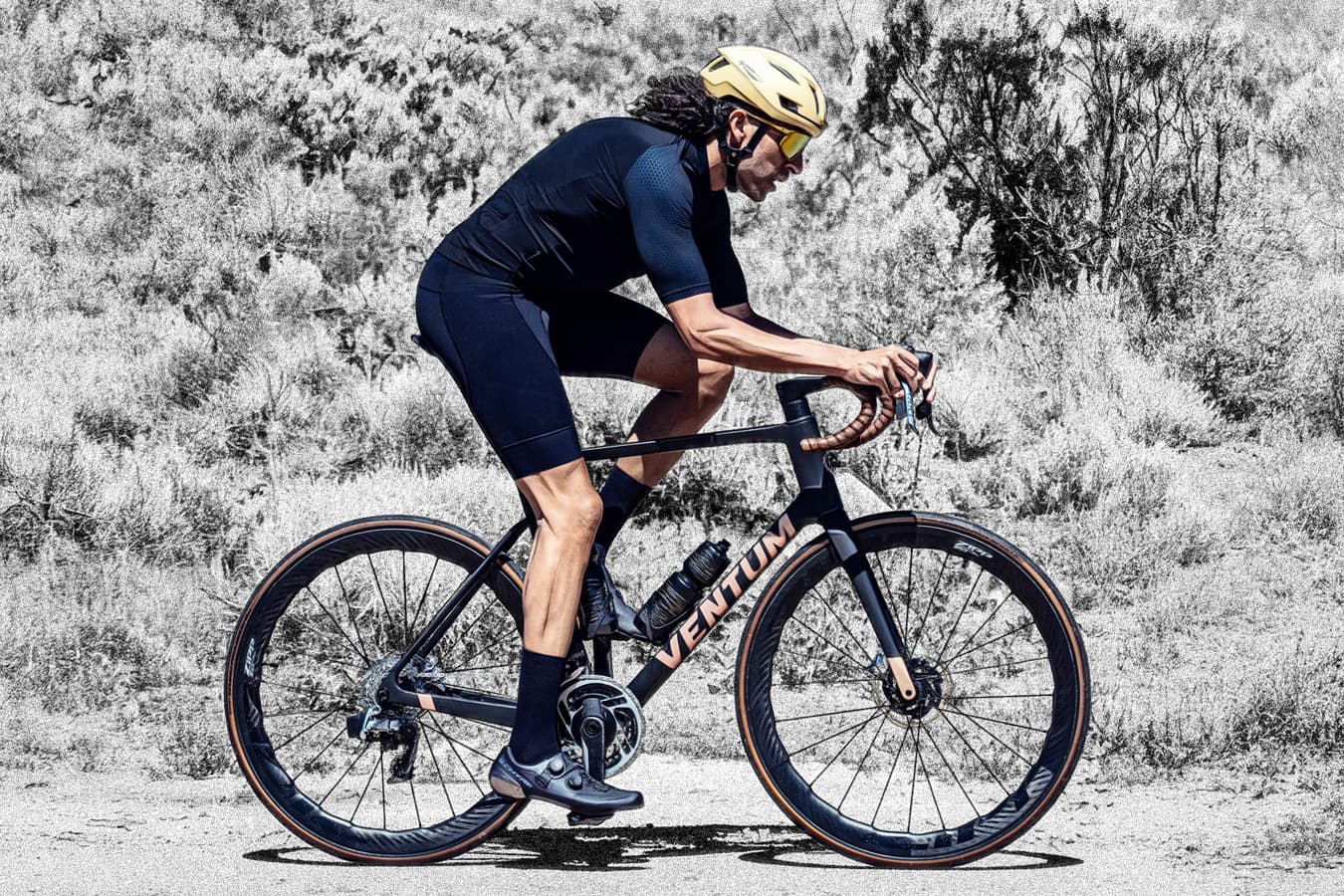
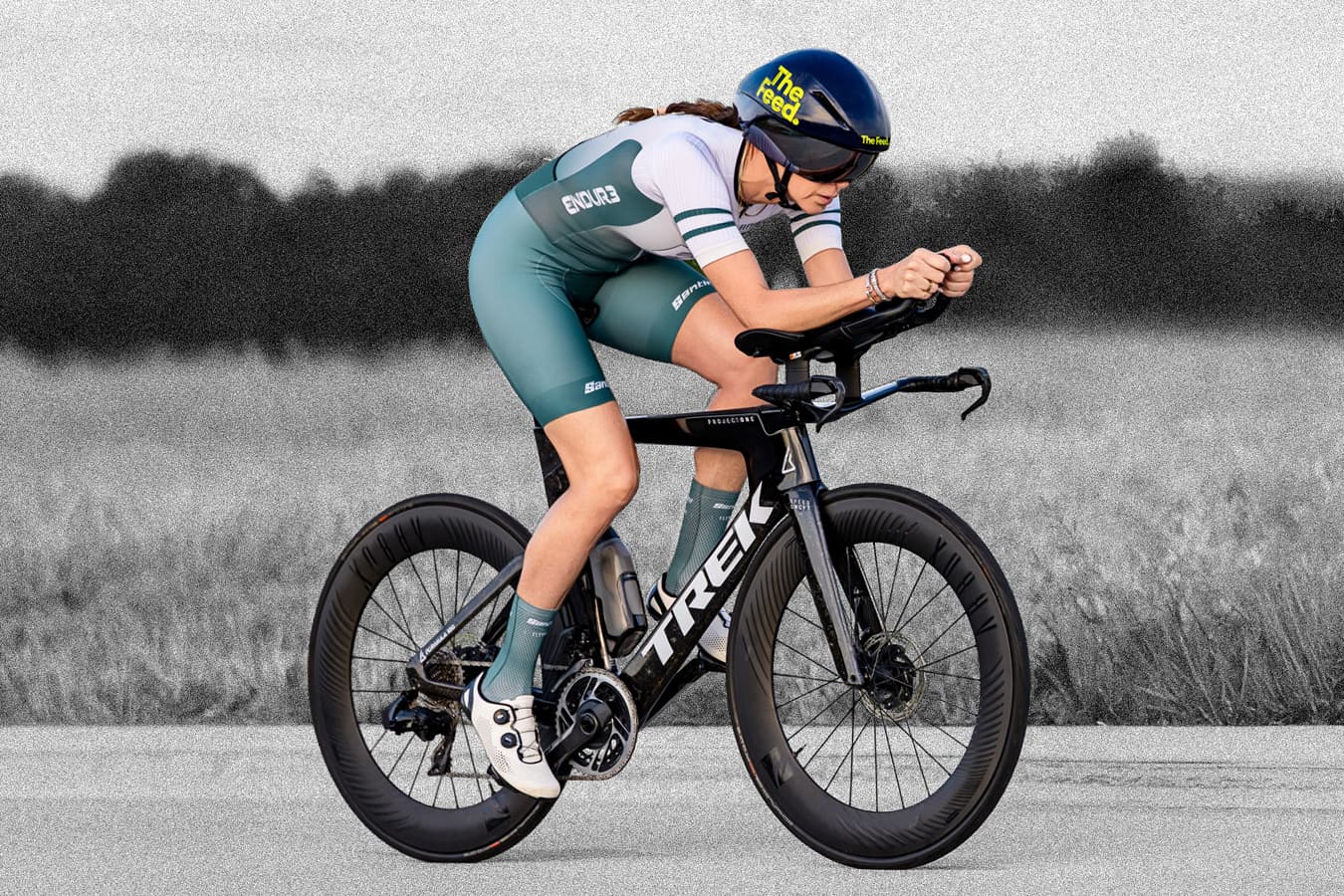
Those numbers played out across a wide range of cycling equipment. BikeInsure claims from USA Triathlon members over the two-year partnership read like a competitive triathlon start line — including Specialized, Trek, Canyon, Factor, Quintana Roo, Cervélo, Basso, and Ventum.

Why Competitive Usage Carries the Highest Risk
Among BikeInsure's usage categories, competitive cycling — including triathlon racing and training — carries the highest relative exposure to accidental damage. Long training miles on open roads, high-speed aero positioning, group and drafting sessions, frequent race travel, and the unpredictable moments of competition itself all create more opportunities for accidental damage than casual riding does. This isn't a reflection of how carefully triathletes ride — it's a reflection of how much time their bikes spend in exactly the conditions where accidents happen.
Every claim in this dataset stemmed from accidental damage, not theft — a risk profile driven by both frequency and severity. Competitive riding creates more frequent opportunities for something to go wrong, and when it does, the cost tends to be significant, as reflected in claims like cracked carbon frames. It's why competitive usage carries BikeInsure's Very High accidental-damage risk classification — and why Bike Race Insure exists to meet that level of exposure directly, rather than asking a general-purpose policy to stretch to cover it.

Bike Accidents Can Happen Anywhere
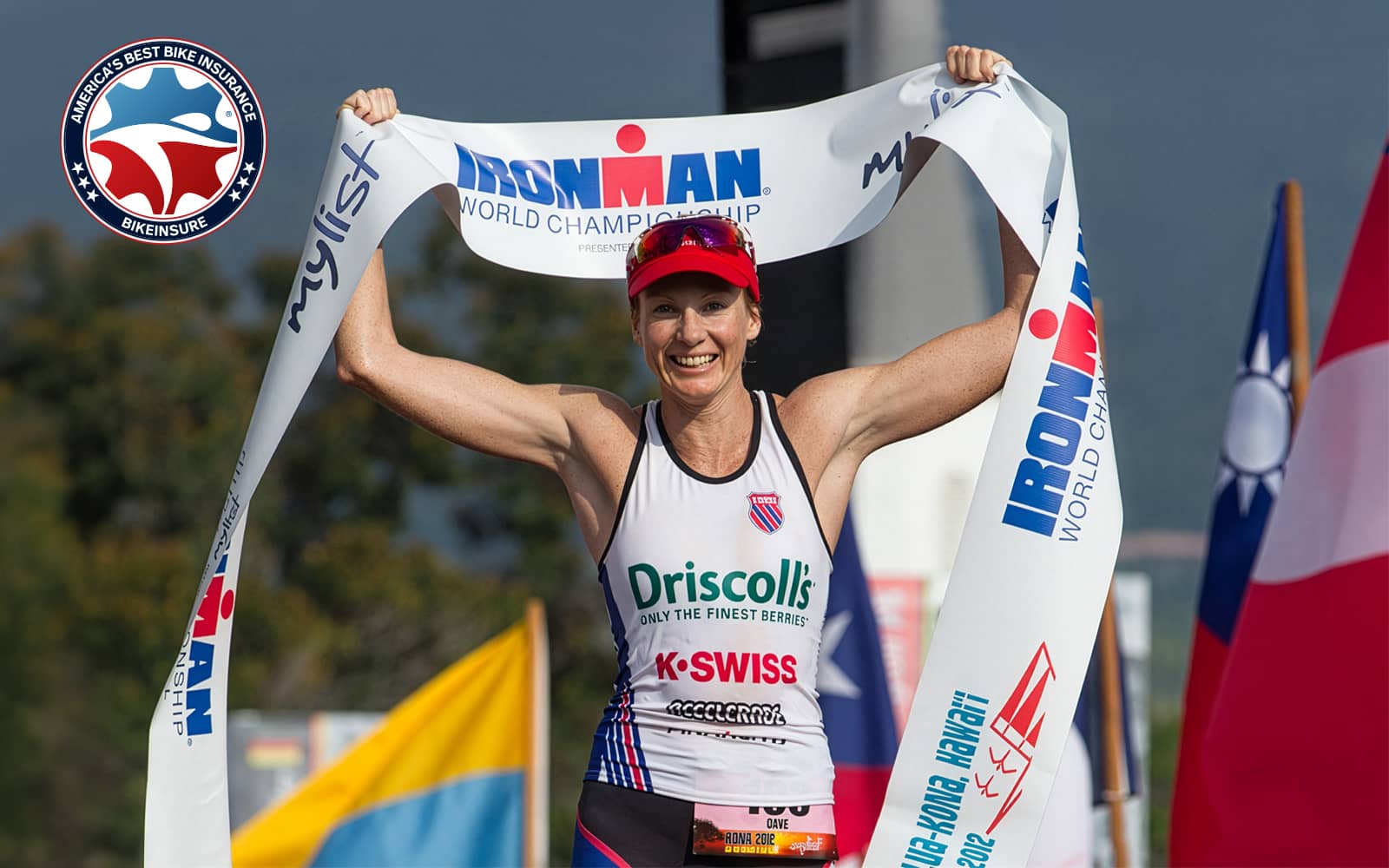
"People assume a bike accident is something that happens in a chaotic criterium race, on a group ride, or a busy road — not on a closed, professionally managed course at the Ironman World Championship. But at Kona in 2015, I was the fittest I had ever been, riding in second place, and I crashed around mile 12 of the bike leg. If a bike accident can happen on the cleanest, most controlled course in triathlon, it can happen to anyone, anywhere. That's exactly why every bike — even a professional triathlete's — needs bike insurance," said Leanda Cave, four-time World Champion Triathlete and BikeInsure ambassador.
Why Cracked Carbon Frames are the Costliest Claims
More than one in four claims involved a cracked frame — one of the most financially significant losses a triathlete can experience. Modern carbon frames are engineered to hold up over years of training and racing; the concern isn't normal wear, it's the structural damage caused by an unexpected accident. A cracked frame can leave a triathlete without a usable bike heading into a critical training block or race, and it raises an immediate question: will it be repaired, or replaced?
BikeInsure treats OEM replacement as the standard rather than the exception: every covered claim involving a cracked carbon frame or fork to date has been resolved with an original equipment manufacturer replacement — so you ride away on a new frame, warrantied, and whole, not patched.
Not every bike insurance company prefers an OEM replacement on a cracked-frame claim.
Velosurance, underwritten by Markel, and Markel's directly sold bicycle insurance policy — per Velosurance's own published claims guidance — determine, on a case-by-case basis, whether to repair or replace a damaged carbon frame by inspection. That process can leave a triathlete with a frame that doesn't match the original warranty or performance expectations at precisely the point in the season when the bike matters most.
Published manufacturer warranty guidance commonly treats structural carbon repair as a modification that may affect or void warranty coverage.

Triathlon Bike Theft Is Rare — But Coverage Still Matters
Zero percent of claims in this dataset involved theft. For triathletes, the real financial exposure isn't a stolen bike sitting in a garage — it's the accidental damage that happens on the road, in transit, or mid-race. That's exactly why BikeInsure structures theft protection as an optional add-on rather than a forced default.
Triathlon bike theft is rare, but it isn't hypothetical across BikeInsure's broader competitive cycling community. Ambassador Mike Smith — an Army veteran, para-cyclist, and para-triathlete known as "DreamChaser" — insures each of his bikes with theft coverage. It paid off: his 2022 Pinarello Dogma was stolen while locked to his SUV bike rack during a training session in McKinney, Texas.
"Without BikeInsure, I would have been financially screwed after my bike was stolen. Instead, BikeInsure promptly paid me $10,000 just days after I filed my claim," said Mike Smith. "I trust America's Best Bike Insurance for my bikes, and it brings me great joy to share with all bicycle owners across America that they should consider BikeInsure, too!"
Although this wasn't a triathlon-specific claim, it illustrates exactly why the choice to add theft coverage matters — even when it isn't the most common source of loss.

Coverage That Fits, Not Coverage That's Forced
BikeInsure is the only bike insurance company in the United States that allows customers to pay for theft protection alongside accidental damage coverage, or select accidental damage coverage alone. Other bicycle insurance offerings include theft coverage by default, requiring customers to pay for it whether they want it or not.
For USA Triathlon members, that flexibility matters. With 0% of claims in this dataset involving theft, the data show that triathletes appreciate the ability to make an informed choice with BikeInsure — rather than being forced into one by others. Notably, 82% of members who filed a claim had selected full accident-and-theft coverage anyway — evidence that when triathletes are given the choice, many still value comprehensive protection.

Why a Homeowners Rider Isn't the Same as Bike Insurance
Many triathletes assume a scheduled rider on their homeowners or renters policy is enough to cover a bike worth thousands of dollars. It often isn't — and it can create a risk most owners never see coming until it's too late.
"I have known BikeInsure CEO Buzzy Cohn for over ten years," said Leanda Cave. "When we first spoke, I had just received a Home Insurance Cancellation notice labeled 'Homeowners Insurance Notice of Non-Renewal. YOUR INSURANCE COVERAGE WILL TERMINATE.' I had two home insurance claims, one was a minor water leak that damaged a floor in my Florida condominium, and the other was bike related. Although my homeowner's insurance seemed effective at first because I received the necessary checks for the damages, it was later canceled, which made it challenging to find alternative homeowner's insurance. When I learned that BikeInsure offered a separate bike insurance policy from homeowner's specifically to insure bicycle equipment, that would not affect my homeowner's policy in the event of a claim, I realized BikeInsure had a simple solution for insuring all valued bikes across the United States."
A bike claim run through a homeowners policy, even with a scheduled rider, risks a premium increase — and a second claim can put the entire policy at risk of non-renewal, the same way it did for Leanda. A standalone BikeInsure policy keeps a bicycle claim completely separate from a triathlete's home coverage. BikeInsure protects the bicycle equipment but ultimately safeguards the homeowners policy, so it is available for more important catastrophic home losses should they occur.
Bike Insurance Claims Aren't a Once-and-Done Event
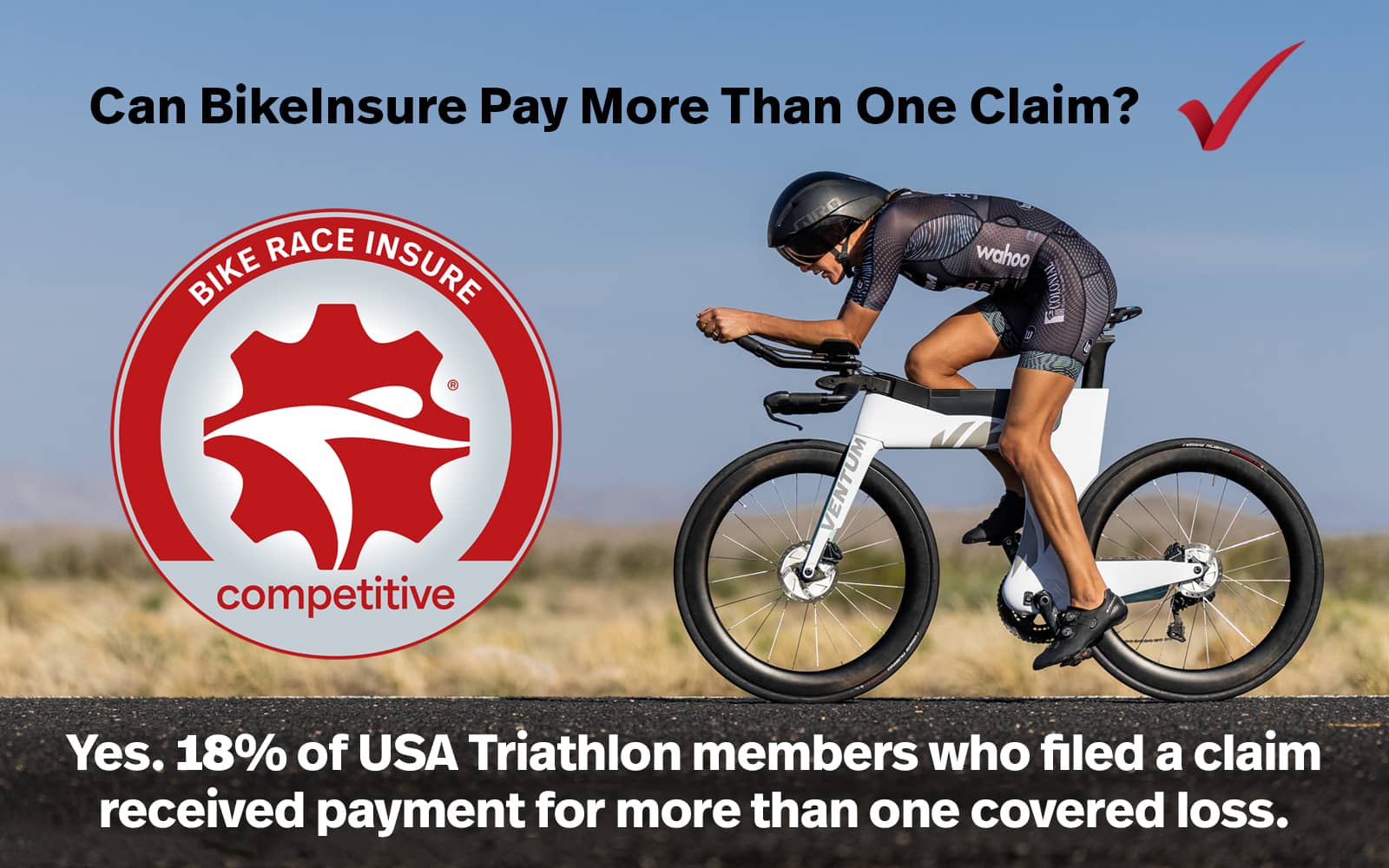
A covered bicycle loss isn't necessarily a one-time occurrence. 18% of USA Triathlon members who filed a claim received payment for more than one covered loss — nearly one in five claimants experiencing more than one covered bicycle accident during the partnership period.
For athletes training and racing year-round, that tracks: every training ride, every race, and every bike transport is another opportunity for an unexpected accident. It reinforces the value of year-round competitive coverage rather than protection tied to a single event.
How Fast Do Triathlon Bike Insurance Claims Get Paid?
Fifty-five percent of claims in this dataset were paid within eight days, with the fastest settled in just one day. For a triathlete working around a training block or an upcoming race date, that speed can be the difference between a short delay and losing meaningful time on the bike.

What Bike Race Insure Includes
Bike Race Insure — BikeInsure's coverage for competitive usage — includes:
- Worldwide coverage territory — protection wherever the start line is, anywhere in the world
- Coverage up to $50,000 per bike — room for the highest-end competition equipment members ride
- A flat $150 deductible — the lowest bike insurance deductible in the industry
These features were shaped directly by feedback from USA Triathlon members who train and compete internationally.

A Transit Claim in Real Life
Airline and transit damage isn't hypothetical for triathletes who travel to compete. BikeInsure ambassador Jenny Fletcher experienced it firsthand: after racing Ironman 70.3 Calgary, her bike frame was cracked in transit on the flight home. BikeInsure paid $3,196 toward the replacement bike frame — just one week after her policy began.
"My BikeInsure claim was as simple as 1) I submitted, 2) They accepted, 3) I got paid! It was handled very well!" said Jenny Fletcher. "The unexpected part was that I signed up for BikeInsure because I was concerned about my bikes being involved in an accident or getting stolen. However, just a week after starting my latest policy, the bike insurance transit feature saved me $3,196. I only had to pay a small deductible!"

A Member Benefit Built for Retention
The partnership's original objective was membership sustainability — making USA Triathlon membership more valuable, more relevant, and more worth renewing year over year. Two years of data support that case: members who invested an average of more than $9,000 in their bicycle and para-cycling equipment had a benefit that protected their equipment once enrolled, applied premium savings reserved for USA Triathlon members, and paid quickly when accidents occurred.

What USA Triathlon Members' Claims Data Reveals
The two-year claims data for USA Triathlon members makes a direct case for BikeInsure.
BikeInsure classifies competitive usage as Very High risk for accidental damage, the highest exposure level among its usage categories. That classification isn't a marketing claim. It's reflected in the actual bike insurance claims paid to USA Triathlon members referred through the partnership — 100% of claims stemmed from accidental damage, more than one in four involved a cracked frame, and the average settled claim was $3,064.
Bike Race Insure was built specifically for that Very High exposure level. Every covered cracked carbon frame or fork claim to date has been resolved with an OEM replacement — not a repair-versus-replace decision made case by case — and BikeInsure is the only bike insurance company in the United States that lets triathletes choose accidental damage coverage alone, without being forced to pay for theft protection they may not want.
For a triathlete training and racing on equipment they've invested thousands of dollars in, that's the real question: not whether to insure it, but whether coverage built for Very High accidental-damage exposure — rather than general-purpose protection — actually holds up when it's needed. Two years of USA Triathlon partnership claims data says it does.
BikeInsure is the Official Bike Insurance Partner of USA Triathlon. Coverage is underwritten by Great American Insurance Company, rated A+ (Superior) by AM Best, and is available to eligible athletes in all 50 states and Washington, DC.