Why Para-Cycling Equipment Needs Bike Insurance, Backed by Real Claims Data
Para-Cycling Insurance Insights

Adaptive cycles often represent far more than sporting equipment. For many para-cyclists, a handcycle, recumbent tricycle, or adaptive bicycle is a customized investment that supports independence, fitness, recreation, and competition.
To better understand the financial risks facing adaptive athletes who invest in expensive cycling equipment, BikeInsure reviewed claims submitted by riders referred by BikeInsure ambassador Mike Smith, a retired U.S. Army veteran and competitive para-cyclist known to fellow riders as 'DreamChaser,' whose own adaptive Pinarello Dogma was stolen in 2023. After BikeInsure paid his $10,000 theft claim, Smith continued pursuing his para-cycling goals, eventually becoming a BikeInsure ambassador and advocate for adaptive athletes.

While Smith's own loss was a theft, the claims of the riders he referred told a different story. Across that group, theft losses were entirely absent — every reviewed claim involved accidental damage, and those accident-related losses had meaningful financial consequences for adaptive athletes and para-cyclists.

The Story Behind the Claims
Mike Smith's relationship with BikeInsure began years before he became an ambassador.
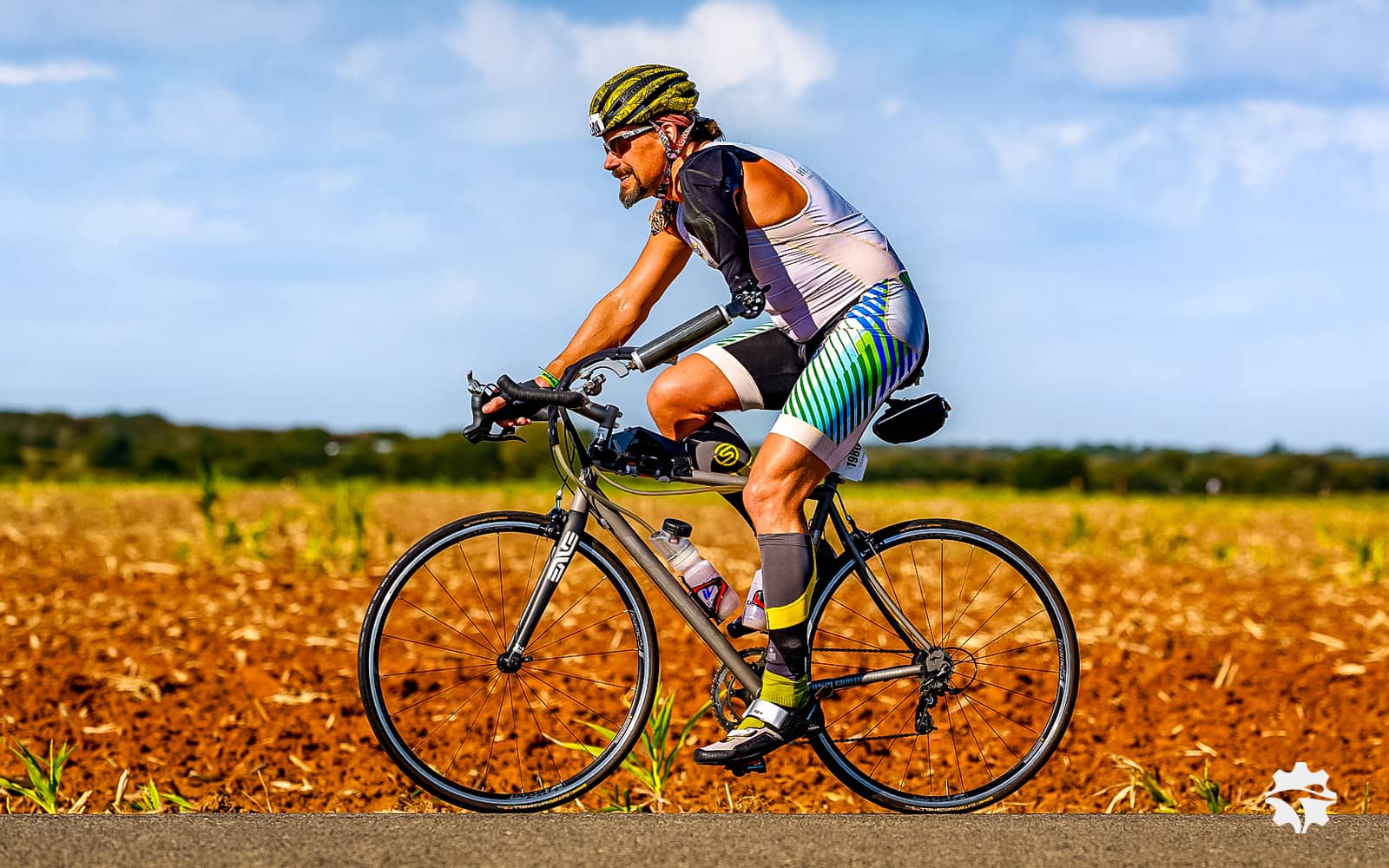
"In April 2016, I was riding a charity event called Ride to Provide, on a bike an organization had adapted so I could work the gearing and braking with my one usable hand. That's where I met Buzzy Cohn — matte black road bike, BikeInsure kit. A conversation about cycling turned into a friendship that's lasted more than a decade, and thankfully, along the way, I became a BikeInsure customer.
I'm grateful I did.
On May 24, 2023, my 2022 Pinarello Dogma was stolen while locked to the rack of my SUV at a park in McKinney, Texas, with my prosthetic arm still clipped to the handlebar from my training ride. I called BikeInsure, shaken. They answered, walked me through exactly what to do, and I got paid $10,000 five days after feeling violated by bike theft. The police report seemed to be the only thing delaying my claim check.
Here's what most riders don't learn until it's too late. Bike insurance theft claims are rarely denied because your bike wasn't stolen — they're denied on technicalities, like the wrong thing to lock it to or the wrong kind of lock. I read the policies, Velosurance and Sundays included, because I wanted to know exactly how a theft claim would be handled before I ever had to file one. I knew what I was choosing in BikeInsure, and what I was choosing to avoid.
My bike was locked. It was stolen. I had BikeInsure theft coverage. I got paid.
No debate. No surprises. No fine-print ambush.
That experience is why I became a BikeInsure ambassador and why I encourage every para-cyclist I ride with to carry bike insurance and look carefully at who they're trusting to protect their equipment. For adaptive athletes, a bicycle is often far more than a bicycle. It's mobility, independence, competition, and freedom."
— Mike Smith, U.S. Army Veteran, Para-Cyclist, and BikeInsure Ambassador

What the Para-Cycling Claims Data Revealed
Claims submitted by BikeInsure customers referred through Mike Smith — a group separate from Smith's own theft claim — revealed several noteworthy trends:
$6,302 average paid claim
100% of claims involved accidental damage
No theft claims were reported
Fastest claim payment: 1 day
Longest claim payment: 3 days
Many insured cycles were handcycles and adaptive cycles that extend beyond traditional two-wheel bicycle configurations
While the number of claims remains smaller than broader cycling categories, the financial severity of losses was substantial.
The average paid claim reflects the reality that adaptive cycles frequently incorporate custom configurations, adaptive controls, and equipment designed around the individual needs of the rider.
Why Adaptive Cycles Require Special Consideration
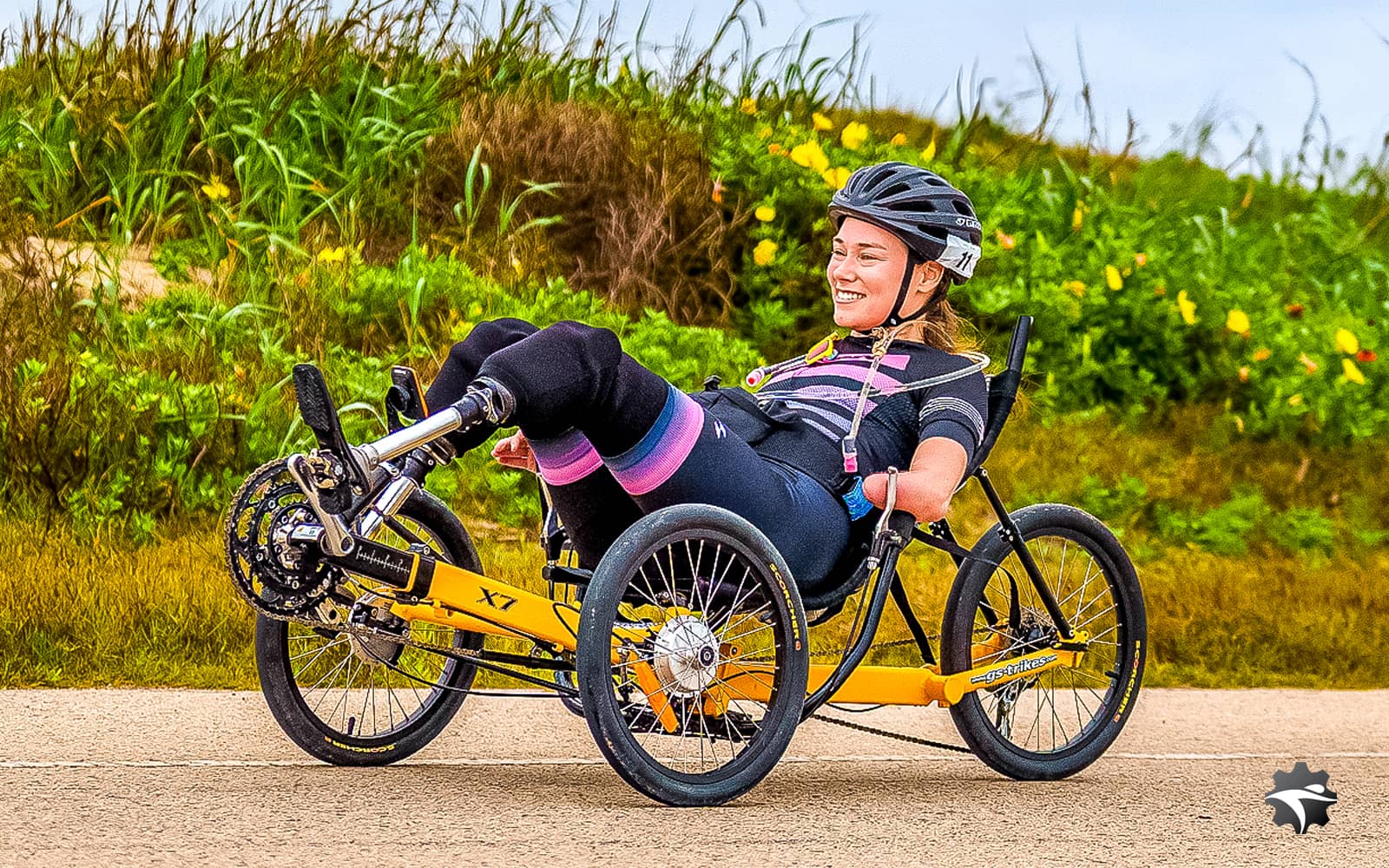
Unlike traditional bicycles, adaptive cycles often feature custom controls, hand-powered drivetrains, recumbent platforms, and three-wheel designs.
Many adaptive athletes spend years refining equipment, fit, and component selection to maximize comfort, efficiency, and performance.
As a result, accidental damage can create significant financial disruption and interrupt training, recreation, and competition.
Adaptive cycles frequently represent investments comparable to those in premium road bikes, triathlon bikes, and high-end mountain bikes, while often incorporating rider-specific modifications that can be difficult and costly to replace.

Why Para-Cyclists Should Compare Bike Insurance Carefully
Para-cyclists should carefully review how an insurer defines an eligible bicycle before purchasing coverage, because that definition determines whether adaptive equipment qualifies.
The distinction is more than theoretical. Sundays' published bicycle insurance policy defines a covered bicycle as "a frame with two wheels powered by human pedaling." By its terms, that two-wheel definition does not extend to three-wheeled adaptive cycles — including trikes, e-trikes, recumbent trikes, and recumbent e-trikes — equipment that many para-cyclists depend on for mobility and competition.
BikeInsure, by contrast, was built to protect a broader range of cycles, including adaptive cycles and handcycles that extend beyond traditional two-wheel configurations.
Why Adaptive Athletes Choose BikeInsure
BikeInsure was developed to protect a wide range of bicycles, including adaptive cycles, handcycles, and para-cycling equipment.
For many adaptive athletes, bicycle insurance is about more than protecting equipment. It is about protecting mobility, independence, training, and competition goals.
The claims experience of riders referred by Mike Smith demonstrates that when unexpected losses occur, BikeInsure can help adaptive athletes recover financially from unexpected losses and return to training, riding, and competing.
Do Adaptive Cycles and Handcycles Need Bike Insurance?
Yes. Adaptive cycles are among the most valuable and customized equipment in cycling.
The claims experience of para-cyclists referred through BikeInsure ambassador Mike Smith demonstrates that accident-related losses can have meaningful financial consequences, even when theft is not involved.
For adaptive athletes, handcycle riders, and para-cyclists, bicycle insurance provides protection for equipment that is often far more than just a bicycle.
It's mobility.
It's independence.
It's competition.
It's freedom.